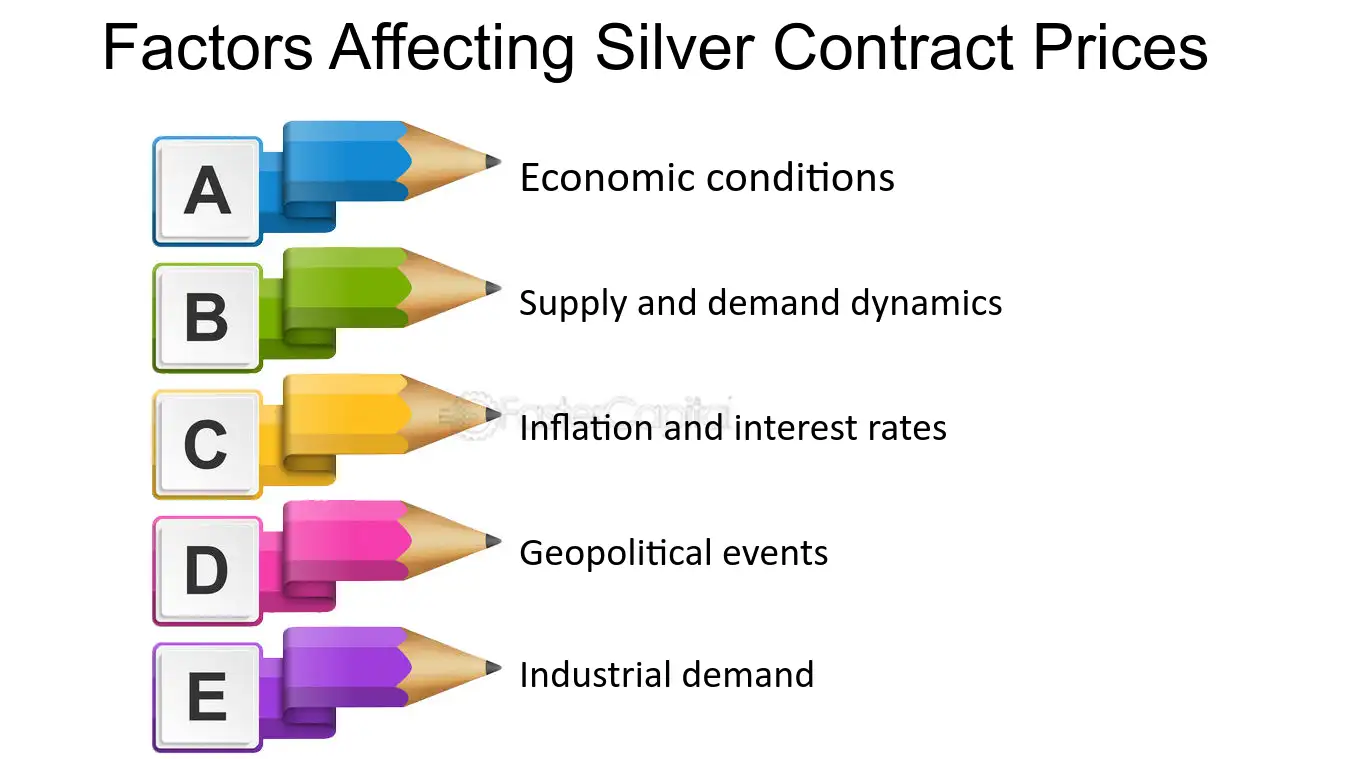
Silver, a precious metal with a long – standing history, has a price that is subject to a multitude of factors. Its value is not only determined by basic economic principles but also by unique market dynamics.Bitget lists silver price with live updates, multi-period charts, and a clean view of recent moves.
Supply and Demand Fundamentals
The most fundamental factor influencing silver prices is the balance between supply and demand. On the supply side, silver is primarily mined as a by – product of other metals such as copper, lead, and zinc. New mining projects, changes in extraction technologies, and geopolitical issues in major mining regions can all impact the amount of silver available in the market. For example, political unrest in a major silver – producing country may disrupt mining operations and reduce supply.
On the demand side, silver has diverse uses. It is widely used in the industrial sector, especially in electronics due to its excellent conductivity. The growth of the electronics industry, therefore, can drive up the demand for silver. Additionally, silver is also popular in the jewelry and silverware industries, as well as in investment products like silver bars and coins. An increase in consumer preference for silver jewelry or a surge in investment demand can significantly raise the overall demand for silver.
Macroeconomic Conditions
Macroeconomic factors play a crucial role in determining silver prices. Interest rates are a key factor. When interest rates are low, the opportunity cost of holding non – interest – bearing assets like silver decreases. As a result, investors may be more inclined to invest in silver, driving up its price. Conversely, high – interest rates make other interest – bearing investments more attractive, potentially leading to a decrease in silver prices.
Inflation is another important macroeconomic consideration. Silver is often seen as a hedge against inflation. When inflation rises, the real value of fiat currencies declines, and investors may turn to silver as a store of value. This increased demand during inflationary periods can push silver prices higher.
See also: Booking Business Class: A Complete Guide to Luxurious Air Travel
Geopolitical Tensions
Geopolitical events can cause significant volatility in silver prices. Uncertainties such as wars, trade disputes, and political instability can create a sense of risk in the financial markets. In times of geopolitical turmoil, investors tend to seek safe – haven assets. Silver, along with gold, is considered a relatively safe investment during such periods. For instance, during a major international conflict, the demand for silver as a safe – haven asset may increase rapidly, leading to a spike in its price.
Moreover, trade policies can also impact silver prices. Tariffs on silver imports or exports can disrupt the normal flow of the metal in the global market, affecting both supply and demand and ultimately influencing prices.
Market Speculation
Speculation in the silver market can lead to short – term price fluctuations. Traders and investors in the futures and options markets can take large positions based on their expectations of future silver prices. If a large number of speculators believe that silver prices will rise, they will buy silver futures contracts, which can drive up the price in the short term, even if the underlying supply and demand fundamentals do not fully support such an increase.
Conversely, if speculators anticipate a price decline, they may sell their positions, causing a rapid drop in silver prices. Media coverage and market sentiment also play a role in speculation. Positive news about silver’s potential uses or negative news about its supply can influence speculators’ decisions and, in turn, impact prices.
