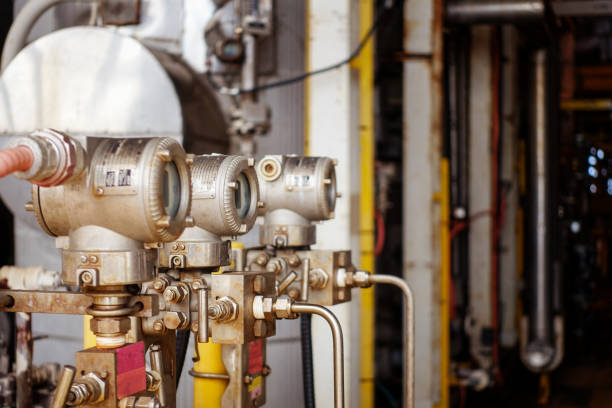
In today’s energy landscape, power generation facilities are under constant pressure to improve efficiency, increase output, and maximise return on investment. As electricity demand continues to rise, plant operators are seeking innovative ways to enhance the performance of existing gas turbine systems without investing in entirely new infrastructure. This is where power augmentation has become an increasingly valuable solution.
By implementing advanced technologies and optimisation techniques, power plants can significantly improve turbine performance, especially during periods of peak demand or challenging environmental conditions. From inlet air cooling systems to turbine upgrades and operational enhancements, modern augmentation solutions help facilities achieve greater power generation capacity while maintaining reliability and efficiency.
Understanding Power Augmentation in Gas Turbine Operations
Power augmentation refers to a range of technologies and engineering methods designed to increase the power output of gas turbines beyond their standard operating capacity. These solutions address performance limitations caused by ambient conditions, equipment ageing, or operational constraints.
Gas turbines are highly sensitive to environmental factors, particularly temperature. As ambient temperatures rise, air density decreases, resulting in lower mass airflow through the turbine and reduced power output. Augmentation systems help mitigate these challenges by improving operating conditions and maximising turbine efficiency.
Power plant operators often utilise augmentation methods to:
- Increase peak power generation
- Improve operational flexibility
- Enhance plant efficiency
- Maximise revenue during high-demand periods
- Reduce performance losses caused by weather conditions
- Extend the economic life of existing assets
As energy markets become more competitive, augmentation strategies provide a cost-effective approach to increasing generation capacity without major capital expenditure.
The Importance of Gas Turbine Performance Optimisation
Gas turbines remain one of the most widely used technologies in modern power generation due to their fast start-up capabilities, operational flexibility, and relatively high efficiency.
However, turbine performance naturally fluctuates based on several factors, including:
- Ambient temperature
- Humidity levels
- Air pressure
- Fuel quality
- Equipment condition
- Operating load
Even minor changes in these variables can significantly affect plant output. During hot summer months, facilities often experience reduced generating capacity precisely when electricity demand is highest.
This challenge has driven widespread adoption of augmentation technologies that allow operators to maintain or increase output despite unfavourable environmental conditions.
Inlet Air Cooling Systems
One of the most effective augmentation techniques involves cooling the air entering the gas turbine compressor.
Because cooler air is denser, more oxygen enters the combustion process, enabling greater fuel combustion and higher power generation. Various cooling technologies are available depending on climate conditions and plant requirements.
Evaporative Cooling
Evaporative cooling systems reduce inlet air temperatures by passing air through wetted media. As water evaporates, heat is absorbed from the air stream.
Benefits include:
- Relatively low installation costs
- Simple system design
- Reduced energy consumption
- Improved turbine efficiency
These systems perform particularly well in hot, dry climates where evaporation rates are high.
See also:Challenges in Smart Home Adoption
Fogging Systems
High-pressure fogging systems inject ultra-fine water droplets into the turbine inlet airflow.
Advantages include:
- Enhanced cooling effectiveness
- Lower capital costs
- Flexible operation
- Rapid response to changing conditions
Fogging systems can provide substantial power gains during periods of elevated ambient temperatures.
Chiller-Based Cooling
Mechanical chillers provide precise inlet air temperature control regardless of humidity levels.
Key benefits include:
- Consistent cooling performance
- Significant output improvements
- Effective operation in humid environments
- Improved peak demand generation
Although these systems require greater investment, they often deliver substantial long-term benefits for large-scale facilities.
Compressor Enhancement Techniques
The compressor section plays a critical role in turbine performance. Even small improvements in compressor efficiency can result in meaningful gains in power output.
Compressor Washing
Over time, airborne contaminants accumulate on compressor blades, reducing aerodynamic efficiency.
Regular washing programmes help:
- Restore compressor performance
- Increase airflow
- Improve fuel efficiency
- Reduce maintenance costs
Both online and offline cleaning methods are commonly used depending on operational requirements.
Compressor Upgrades
Advanced blade designs and aerodynamic improvements can increase compressor efficiency while enhancing overall turbine performance.
Modern upgrades often provide:
- Improved airflow characteristics
- Reduced pressure losses
- Enhanced operational stability
- Increased power generation capability
These modifications are particularly attractive for ageing facilities seeking performance improvements without replacing major equipment.
Turbine Firing Optimisation
Combustion system improvements can also contribute significantly to augmentation efforts.
Carefully managed firing temperature increases can enhance turbine output by allowing greater energy extraction from the combustion process. Modern control systems help operators optimise firing temperatures while maintaining safe operating limits and regulatory compliance.
Successful implementation requires:
- Detailed engineering analysis
- Continuous monitoring
- Material capability assessments
- Advanced control integration
When properly executed, firing optimisation can provide meaningful performance gains while preserving equipment reliability.
Heat Recovery and Combined Cycle Enhancements
Many modern power plants utilise combined cycle technology to maximise energy utilisation.
Combined cycle plants capture waste heat from gas turbine exhaust and use it to generate additional electricity through steam turbines.
Enhancement opportunities include:
- Heat recovery steam generator optimisation
- Steam cycle upgrades
- Condenser improvements
- Advanced control strategies
These improvements increase total plant efficiency and overall generation capacity without requiring additional fuel consumption.
Digital Technologies and Performance Monitoring
The digital transformation of the power industry has introduced powerful new tools for performance enhancement.
Advanced monitoring platforms provide real-time insights into turbine operating conditions and identify opportunities for optimisation.
Digital solutions support:
- Predictive maintenance
- Performance benchmarking
- Operational optimisation
- Fault detection
- Efficiency tracking
By leveraging data analytics and artificial intelligence, operators can continuously refine turbine performance and maximise augmentation benefits.
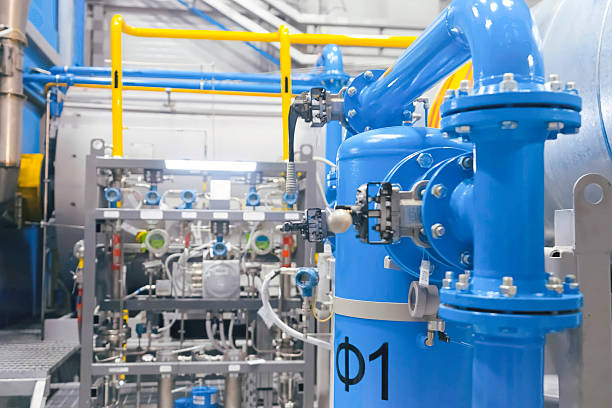
Ambient Condition Management
Environmental conditions have a direct impact on turbine output and efficiency.
One of the most significant challenges occurs when output temperature increases due to seasonal weather changes or operational factors. Higher temperatures reduce air density and negatively affect turbine performance.
To combat these effects, operators often implement:
- Inlet cooling technologies
- Advanced weather forecasting systems
- Operational scheduling strategies
- Dynamic control adjustments
Managing ambient impacts effectively can preserve generation capacity during critical periods of electricity demand.
Advanced Turbine Upgrade Programmes
Equipment manufacturers continue to develop sophisticated upgrade packages that enhance turbine performance.
These programmes may include:
- Advanced turbine blade materials
- Improved cooling technologies
- Enhanced combustion systems
- Upgraded control software
- Aerodynamic improvements
Modern upgrade solutions frequently deliver measurable increases in output while improving reliability and reducing maintenance requirements.
For many facilities, turbine upgrades offer a practical path to increasing capacity without constructing new generation assets.
Economic Benefits of Power Augmentation
The financial advantages of augmentation technologies often extend beyond increased generation capacity.
Potential economic benefits include:
- Higher revenue during peak pricing periods
- Improved plant competitiveness
- Better asset utilisation
- Reduced cost per megawatt-hour
- Enhanced operational flexibility
- Extended equipment lifespan
Because augmentation projects generally require less capital than building new facilities, they often provide attractive returns on investment.
Power producers can also respond more effectively to changing market conditions and growing electricity demand.
Sustainability and Environmental Advantages
Modern augmentation strategies contribute to broader sustainability objectives by improving the efficiency of existing generation assets.
Environmental benefits may include:
- Lower emissions intensity
- Improved fuel utilisation
- Reduced resource consumption
- Enhanced energy efficiency
- Support for grid reliability
By extracting more electricity from existing infrastructure, operators can reduce the environmental impact associated with constructing new generating facilities.
These improvements align with global efforts to create cleaner and more efficient energy systems.
Future Trends in Turbine Augmentation
The future of augmentation technology is increasingly focused on intelligent, integrated solutions that combine mechanical upgrades with advanced digital controls.
Emerging developments include:
- Artificial intelligence-based optimisation
- Digital twin technology
- Advanced materials engineering
- Hybrid cooling systems
- Automated performance management
- Real-time efficiency enhancement platforms
As power generation requirements continue evolving, augmentation technologies will play an increasingly important role in helping facilities maintain competitiveness and reliability.
Conclusion
As energy producers seek greater efficiency, flexibility, and profitability, power augmentation continues to emerge as one of the most practical solutions for improving gas turbine performance. Through innovations such as inlet air cooling, compressor optimisation, digital monitoring, turbine upgrades, and advanced operational strategies, facilities can significantly enhance output while controlling costs.
By investing in carefully engineered augmentation programmes, operators can increase generation capacity, improve reliability, and strengthen long-term asset value. In a rapidly evolving energy market, organisations that embrace advanced power augmentation technologies will be better positioned to meet growing demand, improve sustainability performance, and achieve superior operational results for years to come.
