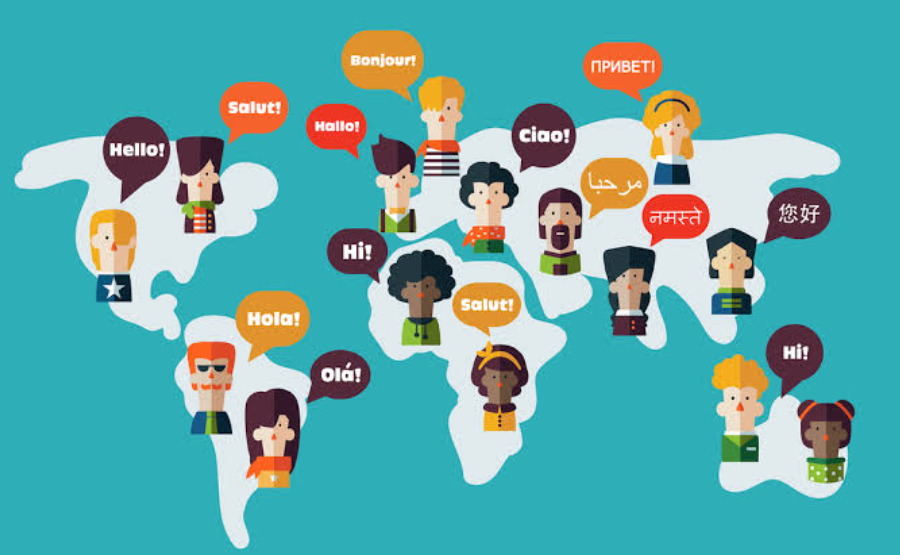
Consumer brands today are competing in a marketplace where customer experience (CX) has become as important as product quality and pricing. As businesses expand across cities, towns, and rural markets, they are serving customers with diverse linguistic and cultural backgrounds. While digital commerce has made products more accessible than ever, communication barriers continue to affect customer satisfaction, trust, and loyalty.
Many brands still rely primarily on English or Hindi for customer interactions. However, consumers increasingly prefer communicating in their native language, especially when seeking support, resolving complaints, or making purchasing decisions. Whether interacting through phone, chat, email, messaging apps, or social media, customers expect brands to understand them in the language they are most comfortable using.
This shift has made vernacular-first customer support for consumer brands a strategic business priority rather than an optional service enhancement. Businesses that embrace multilingual customer engagement are not only improving service quality but also strengthening customer relationships, increasing retention, and expanding their reach into emerging markets.
Customer Experience Begins with Language
Every customer interaction shapes brand perception. When customers can explain their concerns in their preferred language, conversations become more natural, efficient, and productive.
Language removes friction from the customer journey. Instead of struggling to explain an issue in a second language, customers can communicate confidently, resulting in faster issue resolution and more meaningful conversations.
For customer support teams, language familiarity improves understanding, reduces miscommunication, and creates a more empathetic service experience. This simple change often has a significant impact on customer satisfaction and loyalty.
Regional Markets Are Driving Consumer Growth
The next wave of consumer growth is increasingly coming from Tier 2 and Tier 3 cities as well as smaller towns where regional languages dominate everyday communication.
Digital adoption has enabled millions of new consumers to shop online, use financial services, access healthcare, and engage with brands directly through mobile devices. While these consumers are comfortable using digital platforms, many still prefer receiving customer support in their native language.
A strong regional language support strategy enables brands to serve these markets more effectively by removing communication barriers and making customer interactions more inclusive.
Businesses that localize customer support are better positioned to build trust and create lasting relationships in high-growth regional markets.
See also: business operations intelligence analysis
Local-Language Support Builds Customer Trust
Trust plays a critical role in every purchasing decision. Customers are more likely to engage with brands that understand their needs and communicate in a familiar, comfortable manner.
This becomes especially important during complex customer interactions involving product returns, warranty claims, payment disputes, technical troubleshooting, or account-related inquiries.
Providing local-language customer care allows customers to clearly explain their concerns while enabling support agents to deliver accurate and personalized assistance.
Beyond resolving issues more efficiently, language personalization creates an emotional connection that encourages repeat purchases and long-term brand loyalty.
Multilingual CX Improves Business Performance
Vernacular customer support benefits more than customer satisfaction alone. It also contributes to measurable business outcomes.
When customers understand product information, support instructions, and service processes more clearly, businesses often experience fewer repeat contacts, faster resolution times, lower escalation rates, and improved first-contact resolution.
Customer service representatives also spend less time clarifying misunderstandings, allowing them to handle interactions more efficiently without compromising service quality.
These operational improvements strengthen both customer experience and business performance.
Omnichannel Engagement Requires Language Consistency
Customers no longer interact with brands through a single communication channel. A customer may discover a product on social media, complete a purchase through a mobile application, request support via live chat, and follow up by phone or messaging platforms.
Maintaining a consistent customer experience across these channels requires more than simply translating conversations. Brands must ensure tone, messaging, product knowledge, and service quality remain consistent regardless of the language or communication platform.
A well-planned multilingual customer support model allows organizations to deliver seamless experiences while preserving their brand identity across every interaction.
AI Is Making Vernacular Support More Scalable
Artificial intelligence is helping businesses deliver multilingual customer experiences more efficiently than ever before.
AI-powered technologies assist support teams through intelligent routing, real-time language assistance, knowledge retrieval, conversation summarization, sentiment analysis, and workforce forecasting. Virtual assistants can manage routine inquiries in multiple languages while human agents focus on complex conversations requiring empathy and critical thinking.
Rather than replacing multilingual customer service professionals, AI enables them to deliver faster, more accurate, and personalized support.
This combination of human expertise and intelligent automation allows businesses to scale vernacular-first customer support for consumer brands while maintaining consistent service quality across multiple languages.
Language Strategy Is Becoming a Competitive Advantage
Many businesses once viewed multilingual customer support as an operational expense reserved for large enterprises. Today, it has become a competitive differentiator.
Customers increasingly choose brands that make communication simple and accessible. Businesses capable of delivering personalized support in regional languages often experience stronger customer engagement, higher satisfaction, improved retention, and greater brand advocacy.
As organizations continue expanding into new markets, language strategy is becoming an essential component of broader customer experience transformation initiatives.
Developing a comprehensive regional language support strategy is no longer simply about translation—it is about creating inclusive, customer-centric experiences that reflect how people naturally communicate.
Helping Consumer Brands Deliver Multilingual CX
As businesses expand across diverse regional markets, many seek customer experience partners with proven expertise in multilingual service delivery, digital engagement, AI-powered operations, and scalable support models. Organizations require partners capable of maintaining consistent service quality while supporting customers across multiple languages and communication channels.
TP India has developed extensive multilingual customer experience capabilities supported by AI-powered technologies, omnichannel engagement, analytics, and skilled customer service professionals. With experience delivering support across numerous Indian and global languages, TP India helps consumer brands strengthen customer engagement, improve operational efficiency, and provide personalized experiences that resonate with customers in their preferred language.
Conclusion
Language is one of the most powerful drivers of customer experience. As consumer markets become increasingly diverse and digitally connected, brands can no longer rely on a one-size-fits-all communication strategy.
Investing in local-language customer care, building a strong regional language support strategy, and adopting vernacular-first customer support for consumer brands enables organizations to improve customer satisfaction, strengthen trust, and expand confidently into new markets.
Brands that prioritize multilingual customer engagement are not simply improving communication—they are creating more inclusive, accessible, and memorable customer experiences that drive long-term loyalty and sustainable business growth.
FAQs
1. What is vernacular-first customer support for consumer brands?
It is a customer service approach that prioritizes communication in customers’ preferred regional or native languages to improve engagement, satisfaction, and loyalty.
2. Why is regional language support important for customer experience?
A strong regional language support strategy helps businesses reduce communication barriers, resolve issues faster, build customer trust, and create more personalized customer experiences.
3. What are the benefits of local-language customer care?
Local-language customer care improves first-contact resolution, increases customer confidence, enhances brand loyalty, reduces misunderstandings, and supports expansion into regional markets.
4. How does AI support multilingual customer service?
AI assists with intelligent call routing, language recognition, real-time agent assistance, multilingual virtual assistants, conversation summaries, sentiment analysis, and workforce optimization.
5. Which industries benefit from vernacular customer support?
Retail, eCommerce, banking, healthcare, insurance, telecommunications, travel, consumer electronics, and public services all benefit from multilingual customer engagement.

