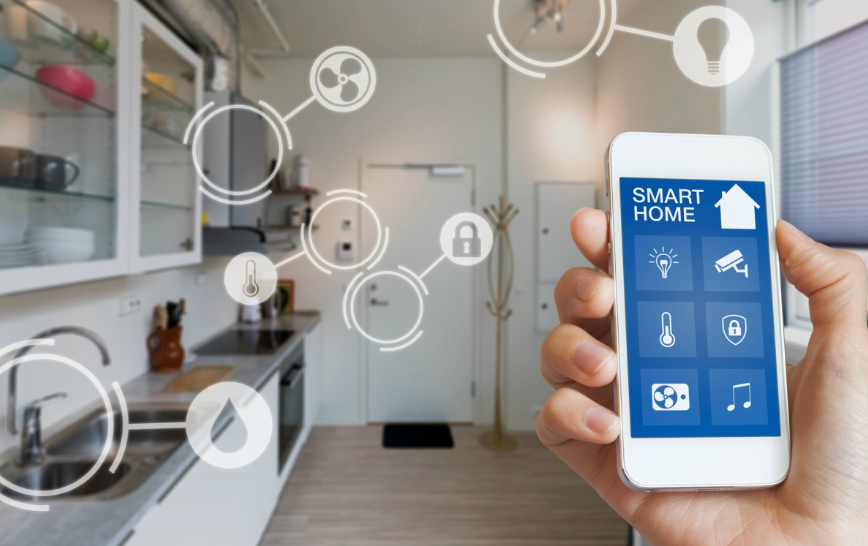
The adoption of smart home technologies faces several significant challenges. Privacy concerns dominate the discussion, as users grapple with data security and ownership issues. High initial investment costs further deter potential adopters, while compatibility and integration problems complicate the user experience. Additionally, a lack of understanding about these technologies limits their effective use. These barriers collectively hinder the widespread acceptance of smart homes, prompting a need for deeper exploration into potential solutions.
Privacy Concerns and Data Security
How can consumers feel secure in a world increasingly dominated by interconnected devices? The complexities of data ownership and the pervasive surveillance risks undermine personal autonomy.
As smart home technology proliferates, consumers must navigate a landscape fraught with potential privacy violations. A robust understanding of data rights, coupled with proactive measures, can empower individuals to reclaim control and mitigate the inherent dangers of constant connectivity.
See also: Challenges in Quantum Computing Development
Compatibility and Integration Issues
What factors contribute to the challenges of compatibility and integration in smart home ecosystems?
Primarily, device interoperability issues arise due to platform fragmentation, where different manufacturers employ proprietary standards.
This lack of uniformity complicates the seamless integration of devices, limiting user flexibility and diminishing the potential of a cohesive smart home experience.
Consequently, consumers face significant hurdles in achieving an interconnected environment.
High Initial Costs and Ongoing Expenses
The adoption of smart home technology is often hindered not only by compatibility and integration challenges but also by high initial costs and ongoing expenses associated with these systems.
Installation expenses can be substantial, while maintenance costs further compound the financial burden.
This dual economic challenge creates a significant barrier for potential users, ultimately limiting the widespread acceptance of smart home innovations.
Lack of User Understanding and Education
Although smart home technology offers numerous benefits, a significant barrier to its adoption lies in the lack of user understanding and education regarding these systems.
Insufficient knowledge hampers user experience and diminishes user engagement, leading to hesitancy in implementation.
As users struggle to grasp the functionalities and advantages, the potential for widespread adoption remains constrained, ultimately limiting the transformative power of smart home innovations.
Conclusion
In conclusion, the challenges of smart home adoption remain significant barriers to widespread integration. Notably, a recent survey revealed that 70% of consumers express concerns about data privacy when considering smart home technologies. This statistic underscores the urgent need for enhanced security measures and user education to alleviate fears surrounding data ownership and privacy violations. Addressing these issues is crucial for fostering trust and encouraging broader acceptance of smart home innovations in everyday life.