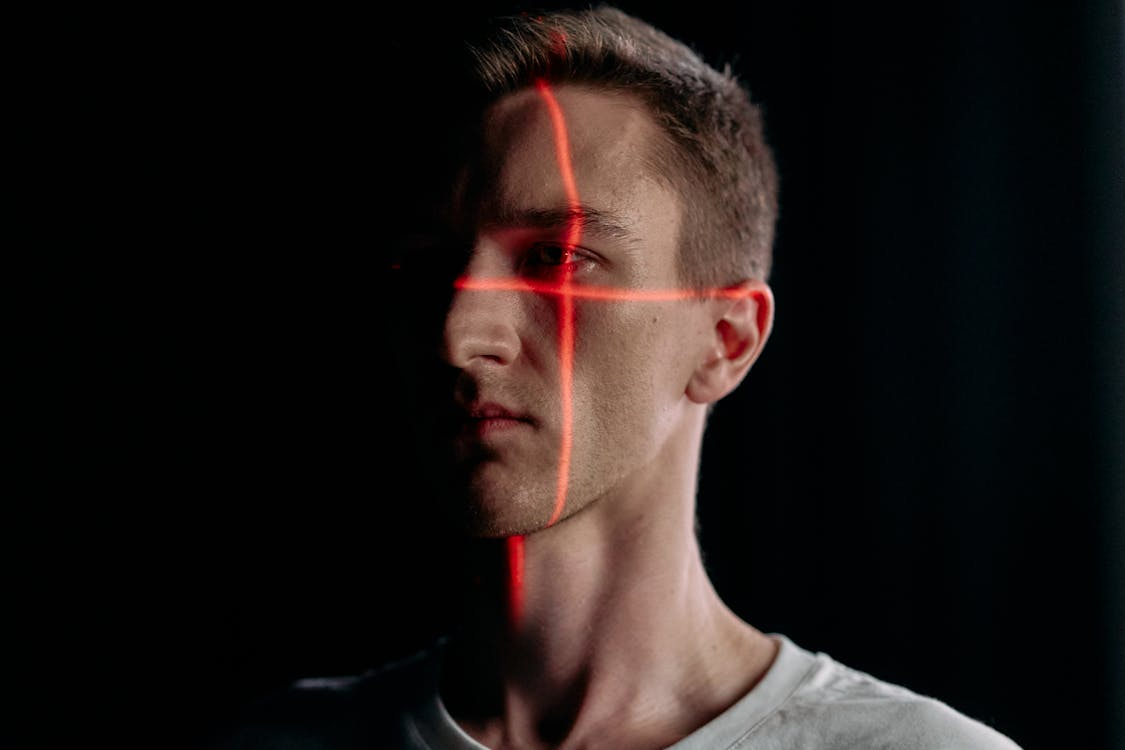
As companies expand across Riyadh, Jeddah, and Dammam, workforce management demands higher accuracy, faster authentication, and stronger integration with digital HR systems. Therefore, choosing between a fingerprint and a facial recognition solution has become a key decision for organizations adopting biometric attendance in Saudi Arabia.
Both fingerprint and facial recognition fall under biometric attendance technologies, but their performance varies depending on environmental conditions, workforce size, and operational requirements. Understanding these differences is essential for long-term efficiency and cost control.
1. Environmental Suitability in Saudi Work Conditions
Saudi workplaces often operate in extreme heat, dusty industrial zones, and high-traffic entry points. These conditions directly affect biometric reliability. Fingerprint systems rely on physical contact and skin clarity. In real-world conditions such as construction sites or manufacturing facilities, sensors may struggle due to dust, oil, or worn fingerprints, resulting in repeated scans and delays during shift changes.
Facial recognition systems operate without contact. Advanced AI-based cameras detect facial structure and verify identity in seconds, even under varying lighting conditions. This makes them more stable in outdoor-facing entry points or large industrial campuses where speed and hygiene are critical.
2. Hygiene and User Experience
Workplace hygiene has become a major operational consideration, especially in high-density environments. Fingerprint devices require every employee to physically touch the scanner, which can lead to hygiene concerns in shared workplaces. Over time, repeated use also contributes to sensor wear and reduced accuracy. Facial recognition eliminates physical contact. Employees simply walk through entry points while the system identifies them instantly. This improves user experience and reduces congestion during peak entry and exit hours.
3. Accuracy and Fraud Prevention
One of the main reasons organizations deploy biometric systems is to eliminate attendance manipulation. Fingerprint systems are generally accurate but can be affected by damaged or unclear fingerprints, leading to occasional false rejections.
Facial recognition systems use unique facial geometry and AI-driven liveness detection to prevent spoofing attempts such as photo or video impersonation. This significantly reduces “buddy punching” and ensures more reliable workforce tracking in large organizations.
4. Integration with HR and Enterprise Systems
Modern Saudi enterprises are shifting toward centralized HR automation. Fingerprint-based systems often require local software installations or manual data exports to integrate with payroll systems. While effective, they can create delays in real-time reporting.
Facial recognition systems are more commonly deployed with cloud dashboards, enabling real-time synchronization with HR platforms, payroll tools, and mobile attendance applications. This allows managers to monitor workforce activity across multiple branches instantly.
5. Cost and Long-Term Value
Initial cost is often the deciding factor, but long-term operational value is equally important. Fingerprint systems are generally less expensive upfront, making them suitable for small businesses or single-location setups. However, maintenance costs can increase over time due to sensor cleaning and replacement.
Facial recognition systems require higher initial investment but offer lower maintenance requirements and faster processing speeds. Over time, this leads to better return on investment, especially for organizations with large or distributed workforces.
6. Scalability Across Multiple Locations
Enterprises operating across Riyadh, Jeddah, and Dammam require systems that scale easily. Fingerprint solutions can scale, but they often require decentralized management and periodic synchronization between locations. Facial recognition systems support centralized dashboards, allowing HR teams to manage attendance data across multiple sites in real time. This makes them more suitable for growing organizations and multi-branch operations.
7. Security and Access Control Integration

Beyond attendance tracking, modern enterprises require a unified security infrastructure. Biometric systems today are often integrated with access control points, ensuring that only verified employees can enter secure areas.
Facial recognition systems integrate seamlessly with turnstiles, gates, and building entry points, making them ideal for high-security environments. Fingerprint systems are still widely used for restricted internal zones but are less efficient for high-volume entry points.
ACIX Middle East has face recognition attendance systems for organizations seeking fast, contactless, and scalable workforce tracking across Saudi Arabia. They also provide fingerprint time attendance systems designed for controlled environments requiring traditional biometric verification in smaller setups. Additionally, they implement door access control systems integrated with enterprise security workflows in Riyadh to manage secure entry points efficiently.
Reach out to them for more information.
