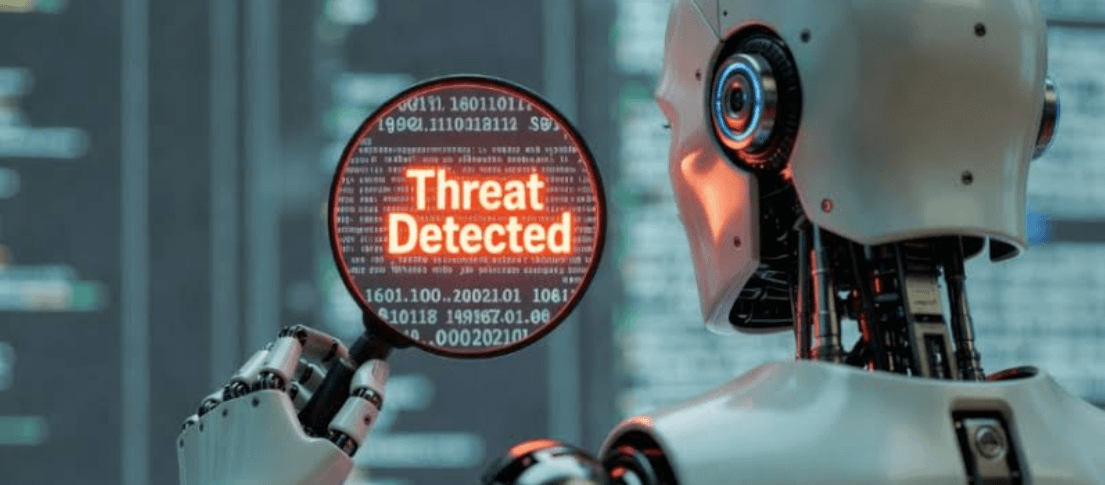
Modern businesses rely heavily on digital networks to store information, communicate internally, manage customer data, process transactions, and operate daily systems. While this connectivity creates enormous advantages, it also introduces serious cybersecurity risks. Criminal organizations, hackers, and malicious software constantly attempt to exploit vulnerabilities in business networks to steal data, disrupt operations, or gain unauthorized access to sensitive systems.
Because cyberattacks have become more advanced and difficult to identify, organizations now depend heavily on network threat detection technology to help identify suspicious behavior before serious damage occurs.
Network security is no longer limited to simple antivirus programs or firewalls alone. Many attacks today are designed to bypass traditional defenses by hiding within legitimate traffic, moving quietly through systems, or exploiting human behavior. Some threats remain undetected for weeks or even months if organizations lack advanced monitoring tools.
This is where threat detection systems become extremely important.
These technologies continuously monitor network activity, analyze patterns, and search for unusual behavior that may indicate malicious activity. Instead of waiting for systems to fail visibly, threat detection tools attempt to identify problems early enough for security teams to respond quickly.
Modern threat detection often combines automation, artificial intelligence, behavioral analysis, and real-time monitoring to help organizations recognize cyber threats more effectively.
As businesses become increasingly dependent on digital infrastructure, understanding how these systems work has become important not only for cybersecurity professionals but also for organizations trying to protect customer trust, operational stability, and sensitive information.
Why Cyber Threats Became More Complex
Cybersecurity threats have evolved dramatically over the years.
Earlier cyberattacks often involved relatively simple viruses or disruptive software designed mainly to damage computers or spread quickly between systems. Modern attacks, however, are frequently far more strategic and financially motivated.
Hackers now target businesses for sensitive customer data, financial information, intellectual property, or operational disruption. Some attacks involve ransomware, where criminals encrypt company files and demand payment to restore access.
Others focus on quietly infiltrating networks without immediate detection.
These threats may move laterally through systems, steal information gradually, or establish hidden access points allowing future attacks later on.
Cloud computing, remote work, connected devices, and global digital communication have also increased network complexity significantly. Organizations now manage enormous volumes of network traffic across multiple locations, devices, and applications.
This complexity creates more opportunities for attackers to exploit vulnerabilities.
Traditional security tools alone often struggle to identify advanced threats because malicious activity may resemble normal traffic patterns initially.
Modern threat detection systems attempt to solve this problem by analyzing behavior continuously rather than relying only on known attack signatures.
How Network Monitoring Works
At the center of network threat detection is continuous monitoring.
Threat detection systems observe network traffic flowing between devices, servers, applications, and external internet connections. The goal is to understand what normal activity looks like so suspicious behavior becomes easier to recognize.
For example, businesses typically generate predictable patterns of activity during normal operations. Employees log into systems at certain times, applications exchange information regularly, and network traffic follows expected pathways.
Threat detection technology studies these patterns carefully.
If unusual behavior suddenly appears, such as unexpected login attempts, abnormal file transfers, unauthorized access requests, or unexplained spikes in network traffic, the system may flag the activity for investigation.
Monitoring tools collect enormous amounts of information in real time.
This includes:
- Login activity
- Device communication
- File movement
- Data transfers
- Application behavior
- External connection requests
- User activity patterns
The technology continuously compares current activity against historical behavior and known threat indicators.
This ongoing visibility helps organizations detect suspicious activity earlier than traditional reactive security approaches.
Behavioral Analysis Plays A Major Role
One of the most important developments in modern cybersecurity is behavioral analysis.
Instead of searching only for known malware signatures or attack patterns, many systems now focus heavily on identifying abnormal behavior.
For example, if an employee account suddenly begins downloading massive amounts of sensitive data late at night from an unfamiliar location, the system may recognize this as unusual behavior even if no known malware is present.
Behavioral analysis becomes especially valuable because many modern cyberattacks constantly evolve to avoid traditional detection methods.
Artificial intelligence and machine learning often support this process by helping systems recognize patterns across enormous datasets. These technologies allow threat detection platforms to adapt over time and improve their understanding of what activity appears normal versus potentially dangerous.
This approach reduces dependence on manually updated threat databases alone.
Behavioral monitoring also helps identify insider threats, compromised credentials, or unauthorized system access that might otherwise remain hidden.
The goal is not only to identify known attacks, but also to recognize suspicious behavior before attackers fully execute their objectives.
A Brief Look At Network Threat Detection
Network threat detection refers to the process of monitoring, analyzing, and identifying suspicious activity within digital networks to help prevent cyberattacks, unauthorized access, or system compromise.
Modern network threat detection systems often combine real-time monitoring, behavioral analysis, machine learning, and automated alerting to identify unusual patterns that may indicate malicious activity.
For example, network threat detection tools may recognize abnormal login behavior, suspicious data transfers, malware communication attempts, or unexpected traffic patterns that differ from normal operational activity.
These technologies help organizations respond to security risks more quickly while improving overall visibility into network behavior.
Why Artificial Intelligence Became Important
Modern networks generate enormous amounts of data every second.
Large organizations may process millions of network events daily, making manual monitoring nearly impossible. Artificial intelligence helps solve this challenge by analyzing patterns at speeds far beyond human capability.
AI-powered systems can recognize subtle anomalies that security teams might overlook manually.
For example, machine learning models may identify small changes in communication behavior between devices that suggest malware activity or unauthorized access attempts.
These systems improve over time because they continuously analyze additional data and refine their understanding of normal behavior patterns.
Artificial intelligence also helps reduce false positives.
One major challenge in cybersecurity involves avoiding overwhelming security teams with harmless alerts. Advanced systems attempt to prioritize threats more intelligently by evaluating context, historical activity, and risk levels.
This allows analysts to focus attention on higher-priority incidents more effectively.
AI does not replace human cybersecurity professionals, but it significantly improves the speed and scale of modern threat detection efforts.
How Alerts And Incident Response Work
When suspicious activity is identified, threat detection systems typically generate alerts for security teams.
These alerts may vary in severity depending on the type of activity detected. Minor anomalies might simply require monitoring, while high-risk behavior may trigger immediate investigation or automated response actions.
Some systems can respond automatically to certain threats.
For example, technology may temporarily isolate compromised devices, block suspicious traffic, disable user accounts, or prevent unauthorized connections while security teams investigate further.
This rapid response capability helps reduce damage during active attacks.
Incident response teams then analyze the alert data to determine whether the activity represents a real threat or harmless anomaly.
The faster organizations detect and respond to incidents, the greater the likelihood of limiting financial loss, operational disruption, or data exposure.
Speed matters heavily in cybersecurity because many attacks escalate quickly once attackers gain access.
Why Visibility Matters In Cybersecurity
One major advantage of threat detection systems is improved visibility.
Organizations often operate highly complex digital environments involving cloud services, remote employees, mobile devices, and third-party applications. Without centralized monitoring, understanding what is happening across the network becomes extremely difficult.
Threat detection technology creates broader awareness of system activity.
This visibility allows businesses to identify weaknesses, monitor unusual patterns, and investigate suspicious behavior more effectively.
Visibility also supports compliance requirements in many industries where organizations must demonstrate strong cybersecurity monitoring and incident management practices.
Businesses cannot protect what they cannot see.
Threat detection, therefore, plays a foundational role in broader cybersecurity strategy.
How Remote Work Increased Security Challenges
Remote work has expanded cybersecurity risks significantly for many organizations.
Employees now access systems from home networks, public internet connections, personal devices, and multiple geographic locations. This creates more entry points for attackers compared to centralized office environments.
Threat detection systems became increasingly important because organizations needed better visibility into distributed network activity.
For example, systems may monitor unusual remote login behavior, suspicious cloud application access, or abnormal file movement involving remote employees.
The shift toward hybrid work environments accelerated investment in advanced cybersecurity monitoring technologies throughout many industries.
Businesses now recognize that security boundaries extend far beyond traditional office networks.
Why Threat Detection Continues Evolving
Cybersecurity constantly changes because attackers continuously develop new techniques and tools.
Threat detection technology, therefore, evolves continuously as well. Modern systems increasingly integrate cloud monitoring, endpoint protection, artificial intelligence, threat intelligence feeds, and automated response capabilities into broader security platforms.
Future systems will likely become even more predictive and automated.
Organizations continue investing heavily in threat detection because cyberattacks can create enormous financial, legal, and reputational consequences when left undetected.
The ability to identify suspicious behavior early remains one of the most important advantages businesses can develop in cybersecurity.
See also: Booking Business Class: A Complete Guide to Luxurious Air Travel
Conclusion
Network threat detection technology helps organizations monitor digital activity, identify suspicious behavior, and respond to cybersecurity threats before major damage occurs.
Modern systems use continuous monitoring, behavioral analysis, artificial intelligence, and automated alerting to recognize unusual patterns that may indicate attacks, unauthorized access, or malicious activity.
As networks become more complex and cyber threats grow increasingly advanced, traditional security tools alone are often no longer sufficient. Threat detection systems provide critical visibility and faster response capabilities that help organizations protect sensitive information and maintain operational stability.
Businesses today rely heavily on digital infrastructure, which makes cybersecurity monitoring more important than ever before.
Strong threat detection does not eliminate every risk, but it significantly improves an organization’s ability to identify, understand, and respond to evolving cyber threats in a rapidly changing digital environment.
