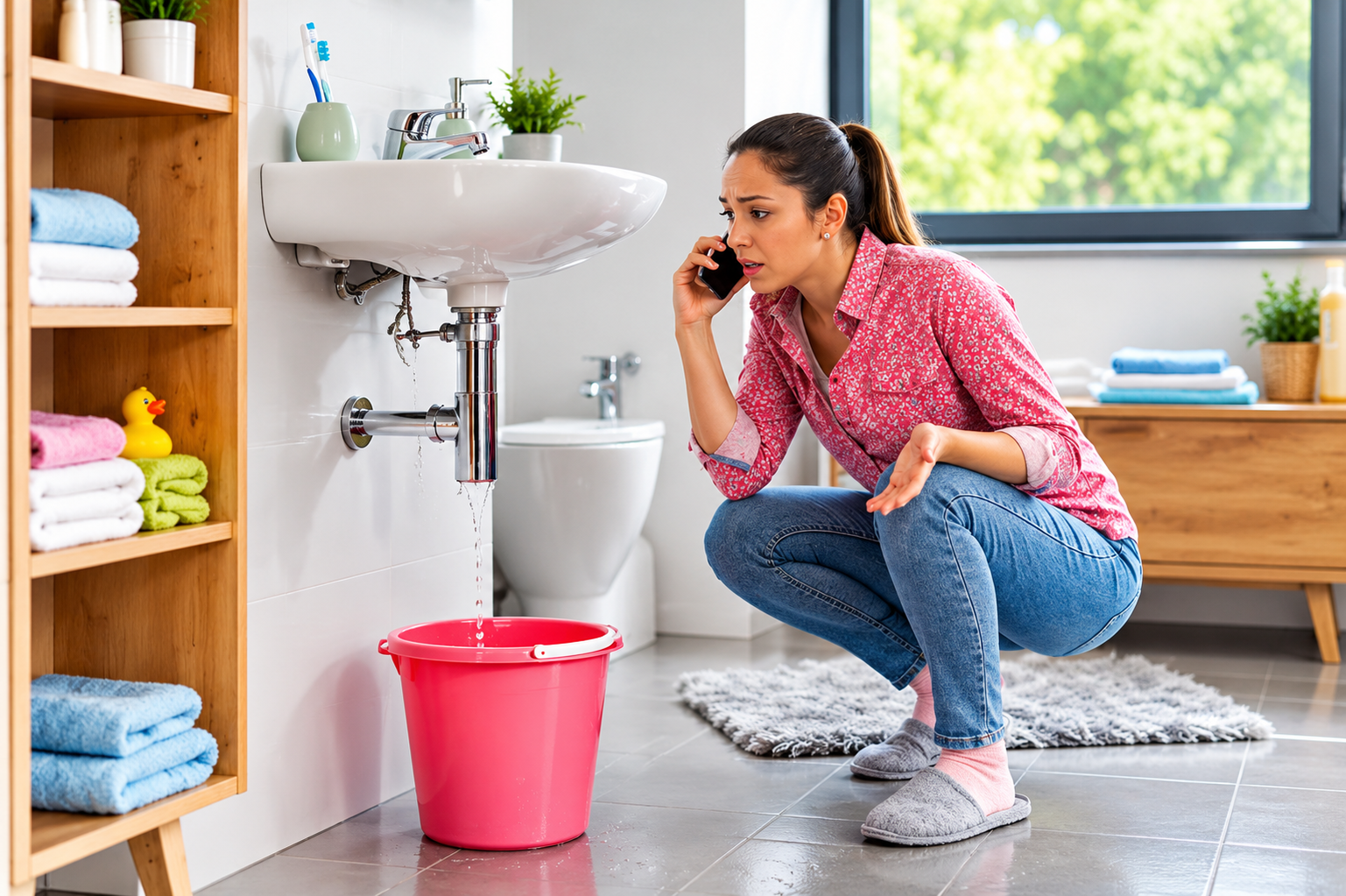
Plumbing emergencies can cause significant damage to a home or business if they are left unattended. A burst pipe, overflowing toilet or sudden loss of water can disrupt daily routines and create expensive repair work. Knowing when to shut off the water supply, what to check safely and when to call an emergency plumber in Queanbeyan can help property owners limit damage and make informed decisions while waiting for professional assistance.
Recognising a Plumbing Emergency
Not every plumbing fault requires an immediate call-out, but some problems need urgent attention. The main concern is whether the fault threatens the property, affects essential services or creates a health hazard.
Common plumbing emergencies include:
- Burst or leaking pipes: Water escaping under pressure can damage plasterboard, flooring, cabinetry and electrical fittings.
- Sewage backing up: Wastewater entering a shower, toilet or floor drain may indicate a blockage in the sewer line.
- Overflowing toilets: A toilet that continues filling or discharging water can damage bathroom floors and adjoining rooms.
- Major hot water system leaks: A leaking tank or failed connection may release substantial amounts of water.
- Sudden loss of water: An unexpected interruption may result from a supply issue, a damaged pipe or a fault within the property.
- Gas-related concerns: A suspected gas leak requires immediate safety precautions and assistance from the appropriate licensed gas professional.
A dripping tap or slow-draining basin may be manageable during normal business hours. However, the same problem becomes more urgent if water is spreading rapidly, several fixtures are affected or wastewater is entering living areas.
Immediate Steps to Take Before the Plumber Arrives
The first few minutes after discovering a plumbing problem can influence how much damage occurs. Focus on safety and stopping the flow of water rather than attempting complicated repairs.
Turn off the water supply
For a leaking pipe or overflowing fixture, locate the nearest isolation valve if it is safe to reach. If the source cannot be isolated, turn off the property’s main water supply. In many Australian homes, the main shut-off valve is near the water meter, although its location varies by property.
Do not force a stiff or damaged valve. If water continues escaping, explain the situation when requesting assistance.
Keep away from electrical hazards
Water near power points, appliances, switchboards or wiring creates a risk of electric shock. Do not enter a flooded area to operate electrical equipment. If the electrical supply needs to be isolated, do so only from a dry, safe location. Otherwise, contact a qualified electrician or emergency service as appropriate.
Protect belongings and document the damage
Once the immediate danger has been addressed, move portable items away from the affected area if it is safe. Take photographs of damaged surfaces, visible leaks and affected belongings for insurance purposes. Keep receipts for emergency work and temporary repairs.
Avoid removing wet building materials unnecessarily, particularly if contaminated water is involved. Sewage and other wastewater can contain harmful microorganisms, so contaminated areas may require professional cleaning.
Why Blocked Drains Need Prompt Attention
Drainage problems often develop gradually. Hair, soap residue, cooking grease, food scraps, tree roots and foreign objects can restrict water flow. Older pipes may also become damaged, displaced or narrowed by accumulated debris.
Early warning signs include gurgling sounds, unpleasant smells, water draining slowly and recurring toilet blockages. A single slow basin may indicate a local obstruction, but several fixtures draining poorly at the same time can point to a larger drainage issue.
A blocked drain Queanbeyan property owners discover should be assessed according to its symptoms and severity. If sewage is backing up, stop using affected fixtures and arrange urgent professional assistance. Continuing to flush toilets or run taps may increase the amount of wastewater entering the property.
For a minor blockage in a basin, removing visible debris from the plughole or cleaning an accessible trap may resolve the problem. Avoid mixing chemical drain cleaners or using them alongside other cleaning products. Strong chemicals can cause burns, damage certain pipe materials and create hazards for anyone working on the drain afterwards.
Repeated blockages deserve further investigation. A plumber may use a drain camera to inspect the pipework and identify roots, cracks, displaced joints or persistent obstructions. Finding the underlying cause can prevent the same problem from returning shortly after the initial repair.
Choosing a Suitable Local Plumbing Professional
During an urgent plumbing problem, it is tempting to contact the first available service. However, a few basic checks can help property owners make a better decision without delaying essential repairs.
Start by explaining the fault clearly. Describe where the water is coming from, whether it can be isolated, which fixtures are affected and whether wastewater is involved. Mention any previous repairs or recurring problems that may help with diagnosis.
Ask the service provider about:
- Availability: Confirm whether a plumber can attend immediately or provide an estimated arrival time.
- Call-out fees: Find out whether an emergency attendance fee applies, including outside normal working hours.
- Repair costs: Ask how diagnostic work, labour, materials and additional work will be charged.
- Licensing and qualifications: Check that the person performing regulated plumbing work holds the appropriate licence for the work and jurisdiction.
- Scope of work: Clarify what the initial visit covers and whether further repairs may be necessary.
A plumber Queanbeyan residents contact should be able to explain the likely next steps in straightforward language. If the cause cannot be confirmed before inspection, a reliable professional should explain what needs to be checked before giving a firm repair price.
For properties near the New South Wales–Australian Capital Territory border, confirm which jurisdiction applies to the property and whether the contractor is authorised to perform the required work there.
Common Plumbing Problems in Homes and Rental Properties
Different property types can present different plumbing challenges. Older houses may have ageing pipework, worn seals or drainage systems affected by tree roots. Newer homes can still experience faulty fittings, installation defects and blockages caused by everyday use.
Rental properties require clear communication between tenants and landlords. A tenant should report urgent leaks, sewage problems and failed essential services promptly, following the property’s emergency maintenance procedure. If the issue poses an immediate safety risk, the tenant should take reasonable steps to protect people and prevent further damage without attempting unsafe repairs.
Property owners and landlords can reduce disruption by keeping maintenance records, checking visible pipework periodically and ensuring tenants know how to locate the main water shut-off valve.
Commercial properties may need additional planning because a plumbing failure can affect staff, customers, food preparation or access to sanitary facilities. Businesses should identify the affected area, stop using unsafe fixtures and arrange suitable repairs before resuming normal operations.
Preventing Emergencies Through Routine Maintenance
Although some failures happen without warning, regular checks can identify developing problems before they cause extensive damage.
Inspect exposed pipes beneath sinks, around toilets and near hot water systems for corrosion, moisture or damaged connections. Check that taps close properly and that flexible hoses show no signs of bulging, cracking or leakage. Replace deteriorated components through a qualified professional rather than waiting for them to fail.
Keep grease, coffee grounds and food scraps out of kitchen drains. Use suitable drain strainers in showers and basins to collect hair and debris. Only flush toilet paper and human waste unless the plumbing system’s manufacturer or local authority specifies otherwise; wipes labelled flushable can still contribute to blockages.
Outdoor drainage also needs attention. Remove leaves from accessible grates and watch for water pooling near the house after rain. Persistent pooling may indicate a drainage defect, ground-level issue or blocked stormwater system.
Schedule inspections if drains repeatedly block, water pressure changes unexpectedly or damp patches appear without an obvious source. These symptoms may indicate a hidden leak or damaged pipe that needs investigation.
Getting Help When the Problem Cannot Wait
A plumbing emergency calls for a measured response: protect people first, stop the water supply where possible, avoid electrical and wastewater hazards, and communicate the symptoms clearly to a qualified professional.
When contacting an emergency plumber in Queanbeyan, provide the property location, a brief description of the fault and details about any immediate risks. Ask about attendance times, emergency charges and the proposed diagnostic process before work begins, where circumstances permit.
Quick action can limit property damage, reduce disruption and help ensure that repairs address the actual cause rather than just the visible symptoms. Regular maintenance and knowledge of basic shut-off procedures can also make future plumbing problems easier to manage.
