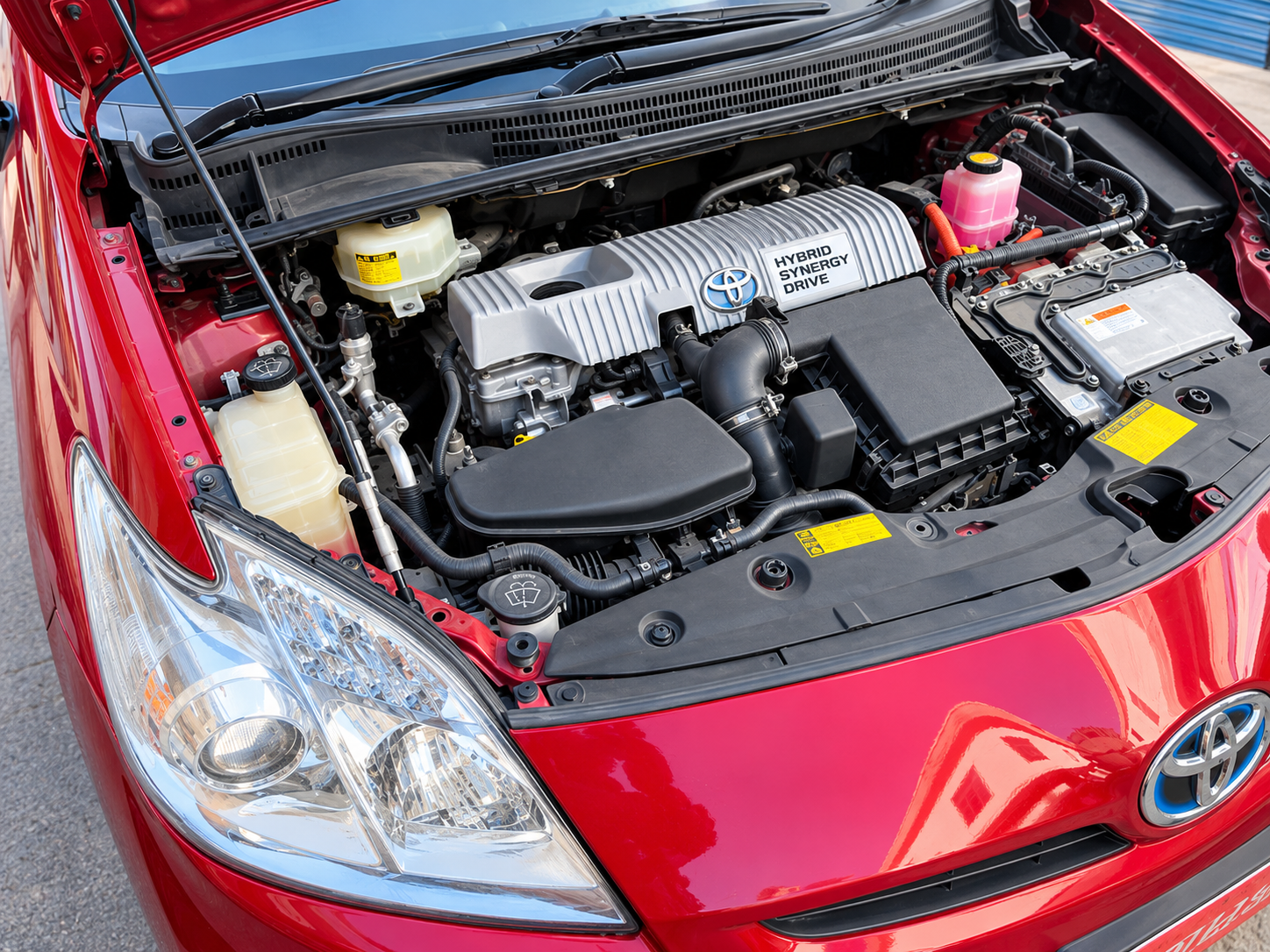
A car’s air conditioning system depends on several components working together to keep the cabin comfortable, particularly during hot weather. The compressor is responsible for circulating refrigerant through the system, allowing heat to be removed from the cabin. Understanding how a Toyota AC compressor operates, recognising early warning signs of failure, and following suitable maintenance practices can help vehicle owners avoid unnecessary repairs and maintain reliable cooling performance.
The Compressor’s Role in Toyota Air Conditioning Systems
The air conditioning compressor pressurises refrigerant and circulates it between the system’s major components. It receives refrigerant gas from the evaporator and compresses it before sending it to the condenser. The condenser releases heat, allowing the refrigerant to change state as it moves through the cooling cycle.
After passing through the expansion device, the refrigerant enters the evaporator, where it absorbs heat from the cabin air. The blower fan then distributes the cooled air through the dashboard vents.
Without a functioning compressor, this cycle cannot operate as intended. Even if the blower fan runs normally, the air coming from the vents may remain warm because the refrigerant is not circulating correctly.
Toyota uses different air conditioning configurations across its vehicle range. Compressor designs can vary by model, engine, manufacturing year and whether the vehicle uses a conventional or hybrid powertrain. Checking the correct specification before ordering replacement parts is therefore essential.
Warning Signs of a Failing Compressor
Compressor problems often develop gradually, although some failures occur suddenly. Recognising changes in cooling performance or unusual operating sounds can help drivers arrange an inspection before additional components become damaged.
Warm Air From the Vents
Air that remains warm despite selecting the lowest temperature setting may indicate a compressor fault. However, low refrigerant levels, a blocked condenser, a faulty pressure sensor or an electrical problem can produce similar symptoms.
A technician should test refrigerant pressures and inspect the system before recommending a replacement.
Unusual Noises
Grinding, rattling or pronounced squealing near the compressor area can indicate worn bearings, a damaged pulley, clutch problems or internal mechanical damage. On vehicles equipped with a clutchless compressor, other mechanical faults may produce similar sounds.
Drivers should avoid running the air conditioning if a loud mechanical noise develops, particularly if the belt appears damaged or there is a burning smell.
Intermittent Cooling
Cooling that starts and stops unexpectedly may result from a failing compressor clutch, faulty wiring, pressure-related shutdowns or excessive system temperatures. Some vehicles also regulate compressor operation electronically.
Recording when the problem occurs, such as during slow traffic or on long journeys, can help a technician identify the cause.
Refrigerant or Oil Leaks
Refrigerant leaks may occur at hose connections, seals, service ports or other air conditioning components. Compressor shaft seals can also leak on certain designs. Refrigerant oil residue around a connection may provide a useful clue, but the location and cause of a leak must be confirmed through proper testing.
Simply adding refrigerant without identifying a leak can lead to repeated cooling problems and further expense.
Why Correct Compressor Selection Matters
Choosing a replacement requires more than matching the Toyota badge or the vehicle’s general model name. Different versions of the same car can use different compressor assemblies, connectors, mounting arrangements and refrigerant specifications.
Before purchasing a Toyota aircon compressor, check the vehicle identification number (VIN), production year, engine variant and original equipment part number. These details help establish whether a replacement is compatible with the existing system.
Refrigerant type is another essential consideration. Many newer vehicles use R-1234yf, while some older models use R-134a. The required type should be verified from the vehicle’s under-bonnet label or service documentation. The two refrigerants must not be mixed.
Hybrid and electric Toyota models require particular care. Many use electrically driven compressors rather than belt-driven units. These components can operate with specialised insulating oil and high-voltage electrical systems. Using the wrong oil or following conventional compressor replacement procedures can cause serious damage or create a safety hazard.
Common Causes of Compressor Failure
Several conditions can shorten compressor service life. Identifying the underlying cause is essential because fitting a new unit without correcting the original problem may result in another failure.
- Insufficient refrigerant: A leak or incorrect refrigerant charge can interfere with system operation and lubrication.
- Contaminated refrigerant or oil: Moisture, debris or incompatible lubricants can damage internal components.
- Electrical faults: Damaged wiring, defective relays, sensor problems or control-system faults may prevent correct compressor operation.
- Condenser restrictions: Dirt, damaged fins or internal blockages can interfere with heat transfer and raise operating pressures.
- Mechanical wear: Bearings, clutch assemblies and internal moving parts can deteriorate through age, heavy use or poor lubrication.
A seized compressor can also spread debris through the refrigerant circuit. In such cases, replacing the compressor alone may not be sufficient. The technician may need to inspect the condenser, expansion valve, hoses and other components, replacing or cleaning affected parts according to the manufacturer’s procedures.
Maintenance Practices That Help Prevent Problems
Air conditioning maintenance does not require complicated work from the vehicle owner. A few sensible habits can help identify problems early and support reliable operation.
Use the system periodically. Running the air conditioning regularly, including during cooler months when conditions permit, helps maintain normal system operation. Follow the vehicle handbook, particularly for hybrid models and vehicles with automatic climate control.
Keep the condenser clear. Leaves, insects and road debris can restrict airflow through the condenser. Inspect the area when practical and remove loose debris carefully without bending the delicate fins.
Replace the cabin air filter when required. A clogged filter restricts airflow and can make the cabin feel less comfortable even when the refrigerant circuit is working correctly. Follow the replacement interval specified for the vehicle.
Investigate cooling changes promptly. A gradual decline in cooling performance, recurring odours or unusual sounds should be checked rather than ignored.
Avoid unverified refrigerant top-ups. Incorrect refrigerant quantities can affect performance and system pressures. Refrigerant recovery, leak testing and recharging should be performed with suitable equipment by a qualified technician.
What Happens During Compressor Replacement?
A professional replacement normally begins with a diagnostic assessment to confirm that the compressor is defective. The technician checks electrical controls, operating pressures, refrigerant charge and other components that could produce similar symptoms.
The refrigerant must then be recovered using approved equipment before the system is opened. The faulty compressor is removed, and the technician checks for contamination, verifies the replacement part and follows the manufacturer’s instructions for oil quantity, seals and installation torque.
Depending on the failure, affected components may need cleaning or replacement. The system is then evacuated to remove air and moisture, leak-tested and recharged with the specified refrigerant quantity. Final checks confirm cooling performance and ensure that the compressor operates correctly under the relevant conditions.
Owners of hybrid or electric models should use technicians trained to work on the vehicle’s high-voltage systems and electrically driven compressors.
Making a Cost-Effective Repair Decision
The price of a replacement depends on the Toyota model, compressor design, part availability and labour requirements. An original equipment part may cost more initially than an aftermarket alternative, but the decision should also account for warranty coverage, supplier reliability and verified compatibility.
Ask the repairer for an itemised estimate covering the compressor, refrigerant, labour, seals and any additional work required because of contamination or related component failure. A diagnosis and written quotation make it easier to compare repair options accurately.
A toyota ac compressor that has failed internally may need replacement, while some cooling faults can be resolved through electrical repairs, leak correction or other targeted work. Confirming the cause before buying parts helps prevent unnecessary spending and reduces the risk of repeat repairs.
Reliable air conditioning depends on the entire system, not just the compressor. Regular inspections, correct refrigerant handling and model-specific replacement procedures help Toyota owners maintain cabin comfort and protect the components responsible for cooling.
